


Part of Foxydry Guides — practical drying tips and space-saving solutions for modern homes.
Drying clothes indoors during winter is often unavoidable. Lower temperatures, shorter days, and higher humidity levels make outdoor drying difficult or impossible. However, indoor drying can sometimes leave clothes with a musty smell, even when they’ve been washed properly.
This isn’t caused by your washing machine or detergent. In most cases, the problem comes from slow drying and poor airflow. When moisture remains trapped in fabrics for too long, it creates the perfect conditions for unpleasant odors.
The good news is that a few simple adjustments can dramatically improve indoor drying and keep your clothes fresh.
Why Clothes Develop Bad Smells When Drying Indoors
The main reason clothes smell after indoor drying is prolonged moisture retention. When fabrics stay damp for extended periods, bacteria naturally present in the air and fibers begin to multiply.
Slow drying creates the ideal conditions for odor
Moisture trapped in fabric needs airflow to evaporate. Without proper circulation, drying slows down significantly, increasing the risk of unpleasant smells.
Indoor environments often have limited airflow
Closed windows, tight spaces, and overcrowded drying racks reduce air movement. Even warm rooms can slow drying if air circulation is insufficient.
How to Dry Clothes Indoors Without Bad Smells
Improving indoor drying doesn’t require special equipment. It’s mostly about airflow, spacing, and positioning.
Leave space between garments
Air needs to circulate freely between clothes. When garments overlap, moisture gets trapped and drying slows down.
Why spacing is critical
Proper spacing allows air to reach all surfaces of the fabric, helping moisture evaporate faster and more evenly.
Ventilate the room regularly
Opening a window for just 5–10 minutes helps release humid air and improves drying efficiency.
Air exchange is more important than heat
Warm air alone is not enough. Air circulation is the key factor that allows moisture to escape.
Avoid drying clothes near cold walls
Cold surfaces increase condensation and slow evaporation. Position your drying rack where air can move freely around it.
Prioritize thicker fabrics
Towels, sweatshirts, and jeans retain more moisture and require better airflow and more space.
The Importance of a Dedicated Indoor Drying Space
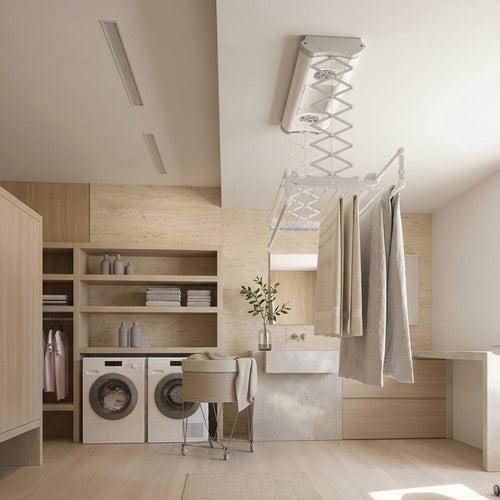
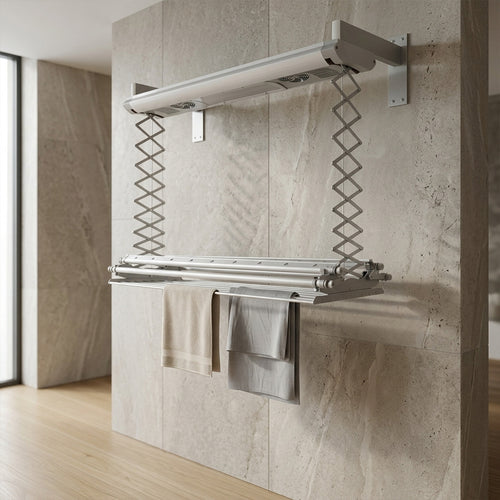
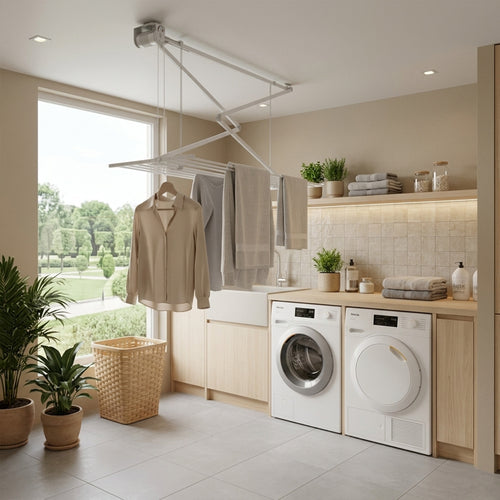
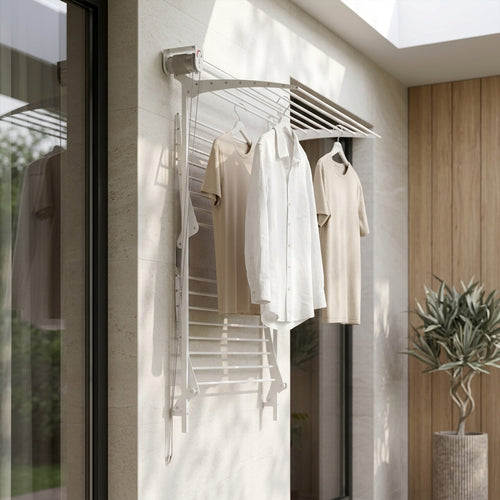
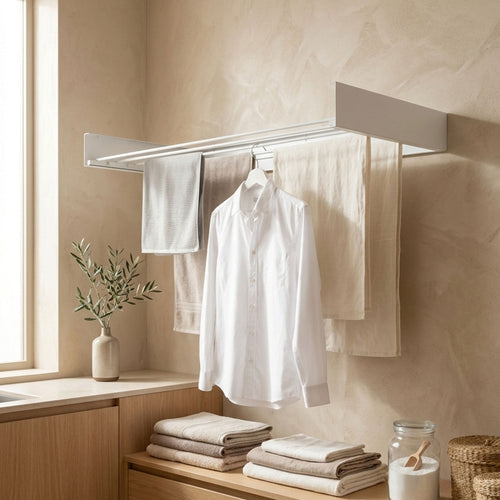
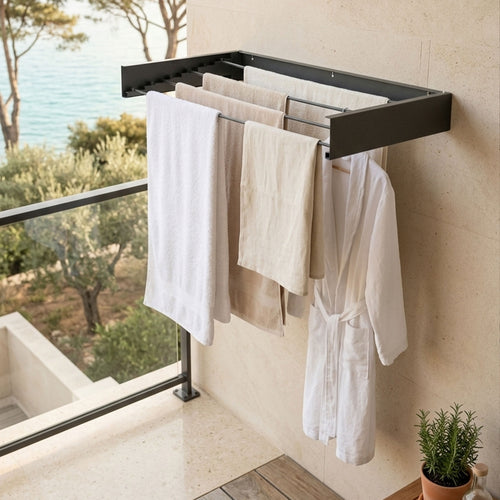
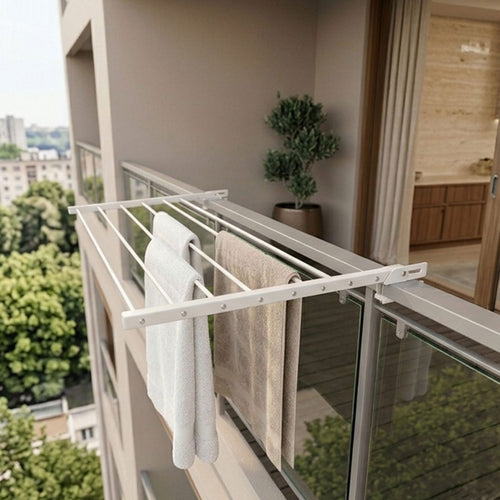
One of the most effective ways to improve drying is to create a consistent, well-positioned drying area in your home.
Why positioning makes a difference
A fixed drying location helps maintain proper spacing, airflow, and organization.
Benefits of a dedicated drying area
- Faster drying times
- Fresher-smelling clothes
- Better airflow
- Less visual clutter
Having a reliable drying setup also makes laundry part of a smoother daily routine.
How Long Clothes Should Take to Dry Indoors
Drying time varies depending on several factors, including airflow, humidity, and fabric thickness.
Typical indoor drying times
- Light garments: 4–8 hours
- Medium fabrics: 6–12 hours
- Heavy fabrics: 12–24 hours
Improving airflow and spacing can significantly reduce these times.
Common Mistakes That Slow Indoor Drying
Overcrowding the drying rack
Too many clothes in one area restrict airflow and trap moisture.
Poor positioning
Drying clothes in corners, behind doors, or against walls limits air movement.
Lack of ventilation
Without fresh air exchange, humidity accumulates and drying slows down.
Conclusion
Drying clothes indoors without bad smells is entirely achievable. The key factors are airflow, spacing, and proper positioning.
By allowing air to circulate freely and creating a dedicated drying area, you can keep clothes fresh, reduce drying time, and maintain a clean, organized home environment.
Read the full guide and discover practical ways to improve your indoor drying routine.

